Crafting Exceptional Bespoke Fresh Produce Boxes: A Comprehensive Walkthrough
Designing specialized fruit and vegetable boxes requires a strategic method. Specialists must consider environmental impact, functionality, and aesthetics. Selecting the right materials is crucial for maintaining freshness and supporting environmentally conscious methods. Additionally, dimensions and form can greatly impact ease of use and transport effectiveness. Impactful graphics enhance brand identity, while thorough testing ensures strength. Understanding these elements will reveal vital insights into creating remarkable container strategies that appeal to customers. What comes next is fundamental to reaching those objectives.
Picking the Ideal Materials for Custom Produce Boxes
When selecting materials for custom produce boxes, it is vital to assess both functionality and sustainability. The choice of material greatly affects the box's durability, weight, and capacity to protect the contents. Common materials consist of corrugated cardboard, which provides strength and is reusable, making it a preferred choice for environmentally aware businesses. Compostable options, such as molded pulp or plant-based plastics, also align with environmentally friendly practices while providing sufficient protection for delicate produce.
Additionally, moisture protection is vital for preserving product freshness, leading some producers to examine treated materials or specialized coatings. The visual character of the box warrants attention, as brand messaging and design aesthetics can impact consumer perception. Ultimately, the proper selection should maintain equilibrium between preserving the goods, appealing to customers, and adhering to environmental standards, making certain that usefulness and environmental responsibility are central to the design process.
How to Pick Size and Shape for Functionality?
When choosing the size and shape of custom produce boxes, careful assessment of produce dimensions is essential for proper storage. linked resource Additionally, considerations for handling and transport can affect the box structure, ensuring ease of movement. Maximizing shelf space usage further enhances functionality, enabling efficient display and storage.
Review Produce Dimensions Carefully
Picking the ideal size and shape for produce boxes is necessary for efficiency and effectiveness. Meticulous examination of item dimensions is paramount, as it confirms that items fit snugly without superfluous space that might lead to harm during transport or warehousing. Purpose-built boxes need to support diverse configurations, from fragile fruits to substantial vegetables, while upholding strength. Moreover, the height and width of the boxes should promote stacking and systematic arrangement, optimizing space in warehouse zones. A well-engineered container not only guards the produce but also elevates attractiveness for consumers. In conclusion, deliberate measurement analysis of dimensions contributes to curtailing losses and boosting overall user experience in the distribution chain.
Review Handling and Transport Procedures
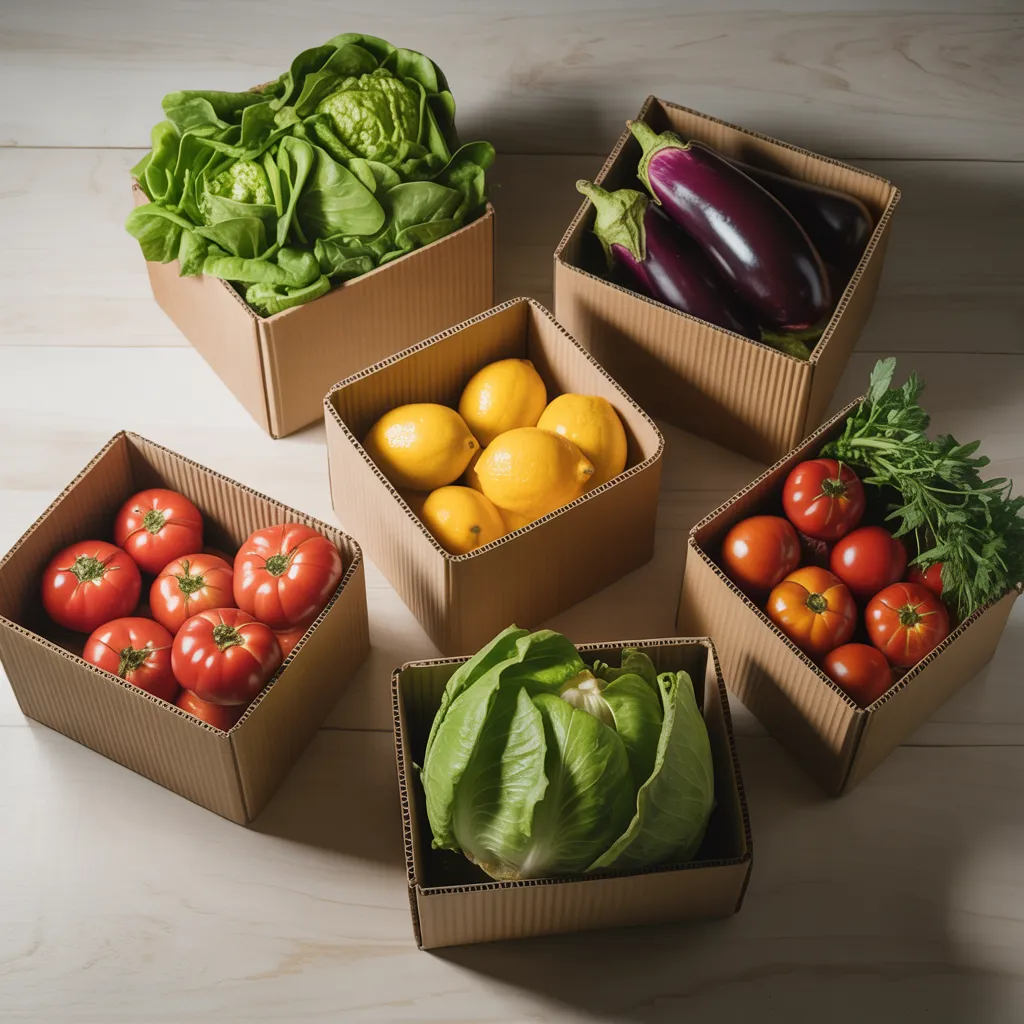
Handling and logistics considerations play a significant function in determining the appropriate size and shape of custom produce boxes. The proportions must accommodate the produce without surplus room, which could result in movement and deterioration throughout transit. Smaller, compact boxes provide more straightforward care, whereas larger boxes may become vital for oversized goods. Moreover, proper ergonomics is essential; handles or access ports should be deliberately situated so as to provide comfortable hoisting and carrying. The shape that makes up the packaging also influences nesting along with balance, confirming where products remain protected. In conclusion, thoughtful review of these factors enhances the streamlining in transport, lessens goods loss, and supports the overall integrity of the produce from orchard reaching purchaser.
Maximize Display Space Efficiency
Maximizing shelving performance depends on picking the correct size and shape of custom agricultural containers. Planners should evaluate the dimensions of the storage systems as well as the categories of produce being arranged. Straight-edged boxes often enhance space efficiency, permitting for more straightforward organization and positioning. Alternatively, non-standard forms can boost design appeal but may create lost capacity if not strategically planned.
It's critical to scrutinize the merchandise movement rate; slow-turning items might take advantage of smaller, conveniently accessible containers. Furthermore, incorporating modular or adjustable designs can enable varying product dimensions while refining shelf layout. By prioritizing aesthetic and functional qualities, retailers can develop a functional and visually striking display that enhances both product accessibility and visibility.
How to Develop Artwork That Command Notice?
Striking visuals can convert a straightforward custom produce box into a artistic creation that grabs focus. To achieve this, designers should start by choosing a color scheme that reflects the freshness and vibrancy of the produce. Bold, eye-catching colors can trigger feelings of freshness and vitality, pushing consumers to take a deeper glance.
Strong typefaces is also essential; readable typefaces can adeptly convey essential information while enhancing visual appeal. Furthermore, using excellent images of the produce can establish instant connection, revealing the product's quality and engaging prospective purchasers.
Furthermore, incorporating unique patterns or illustrations can help set apart the brand in a crowded market. Consistency in graphic components, such as logos and taglines, reinforces brand identity. Ultimately, a fusion of inventiveness and precision in design work can greatly lift the impact of custom produce boxes, making them stand out on shelves.
Environmentally Responsible Practices for Custom Produce Box Packaging
An increasing number of organizations are introducing eco-friendly practices for custom produce box packaging, recognizing its importance in today's environmentally conscious market. These practices often include the use of compostable materials, such as recycled paper and plant-based plastics, which minimize environmental impact. Companies are also focusing on responsible procurement, confirming that materials are obtained from responsibly managed forests or suppliers who prioritize environmental stewardship.
Additionally, many brands are selecting simple layouts that decrease waste while still successfully displaying their products. This strategy not only appeals to eco-conscious consumers but also aids in cutting down production costs. Moreover, businesses are progressively adopting efficient manufacturing processes that restrict energy consumption and waste generation. By incorporating these sustainable practices, companies not only enhance their brand image but also contribute positively to the planet, aligning their operations with a sustainable future.
Testing Your Custom Produce Box Design
Testing the layout of custom produce boxes is an essential step in guaranteeing they satisfy both visual and functional requirements. This procedure usually involves assessing factors such as durability, dimensions, and usability. First, samples must be developed to evaluate the box's physical stability, ensuring it can endure shipping and keeping without compromising the products.
Next, usability tests can be conducted to determine how easily the boxes can be opened, closed, and arranged. Input from prospective customers can be priceless in this stage, offering perspectives into the box's functionality.
In addition, the design's visual appeal should be validated through survey groups or focus panel discussions, analyzing audience responses to branding elements, colors, and full design presentation.
Ultimately, thorough evaluation allows designers to refine the box, guaranteeing it not only appeals to customers but also effectively protects and presents the produce within, striking the right balance between form and function.
Showcasing Your Bespoke Produce Boxes Successfully
Successful promotion of personalized vegetable containers demands a strategic approach that emphasizes their distinctive advantages and value. Businesses should concentrate on identifying their intended customers, such as local farms, grocery stores, or individual consumers. Leveraging social media platforms can amplify brand awareness, showcasing the boxes' appearance and functionality through engaging visuals and storytelling.
In addition, aligning with regional personalities and growers can reinforce credibility and amplify visibility. Rolling out bargains or markdown offers during busy seasons can appeal to debut customers and motivate repeat business.
Additionally, emphasizing environmental responsibility and green practices in promotional content can resonate with environmentally conscious consumers. Providing detailed information about the materials used and the advantages of custom packaging can further differentiate the offering in a crowded marketplace.
Ultimately, a thorough advertising plan that blends web-based and community-based efforts will successfully promote custom produce boxes, appealing to a heterogeneous clientele and generating sales.
Frequently Requested Questions
What Costs are Included in Custom Produce Box Design?
Costs associated with custom produce box design include raw materials, printing, workforce expenses, and delivery. Additionally, design services and production minimums can impact overall expenses, resulting in different prices based on particular needs and manufacturing volume.
How Much time Does Manufacturing of Custom Boxes Require?
The manufacturing of custom boxes generally requires anywhere from two to six weeks. Elements influencing this schedule consist of intricacy of design, availability of materials, and production capacity, all of which may impact shipping timelines and lead times.
Is it Feasible to Order a Small Quantity of Tailored Produce Boxes?
Yes, modest quantities of custom produce boxes can usually be secured. Many suppliers deliver threshold order amounts, making it possible for firms or consumers to obtain tailored packaging options without having to commit to large quantities initially.
What Are Typical Mistakes to Avoid in Custom Box Layout?
Common mistakes in custom box design include overlooking functionality, disregarding brand consistency, undervaluing material quality, failing to take into account target audience preferences, and disregarding environmental impact. Each aspect is essential for effective packaging and customer satisfaction.
How Do I Ensure That My Boxes Comply with Food Safety?
To guarantee boxes remain safe for food consumption, you should select components approved for food contact, prevent harmful inks and adhesives, maintain cleanliness during production, and regularly test for compliance with health regulations and safety standards.